

Identity and access
Role permissions, MFA or SSO where required, access reviews and removal when responsibilities change.
We build tools for payment reconciliation, review queues and financial reporting. Source records, approval rules and exception handling are connected, so your team can trace each decision.

Related insurance work: accessibility of a travel-insurance claims app.
One possible first workflow
A settlement record that does not match the accounting data enters a review queue. A finance employee checks the source records, attaches evidence and records the resolution for approval.
The first release covers one provider and one exception type. The accounting system remains the source of financial records; trading, credit decisions and ledger replacement are outside this example.
Bring matched and unmatched sample records, matching rules, approval limits and provider access details. A finance owner confirms the expected reconciliation results.
Review the assessment briefYour finance, security and compliance owners define the applicable obligations for the product and its countries of operation. We translate the agreed controls into software requirements and evidence for review.
We agree the applicable requirements, owners and acceptance checks before implementation, based on your data, industry and operating countries.
Role permissions, MFA or SSO where required, access reviews and removal when responsibilities change.
Encryption in transit and at rest, controlled exports, agreed hosting locations and data-retention rules.
Relevant audit events, tested backups, vulnerability checks and named owners for incident response.
Keep who created, changed and approved each financial record, with the previous values.
Define who may initiate, review and approve each operation, including limits and restricted combinations of roles.
Record which accounts and statement sources each import covers and who may change the connection.
Agree which records are retained, for how long and who may view or export personal and financial information.
Keep source references, differences, corrections and approval history attached to each reconciliation result.
Assign unresolved cases to an owner and preserve the reason, evidence and decision when they are closed or reopened.
Related insurance work: accessibility of a travel-insurance claims app.


We improved accessibility in the existing AIG Travel app, focusing on navigation, insurance claims and finding services with TalkBack and VoiceOver.

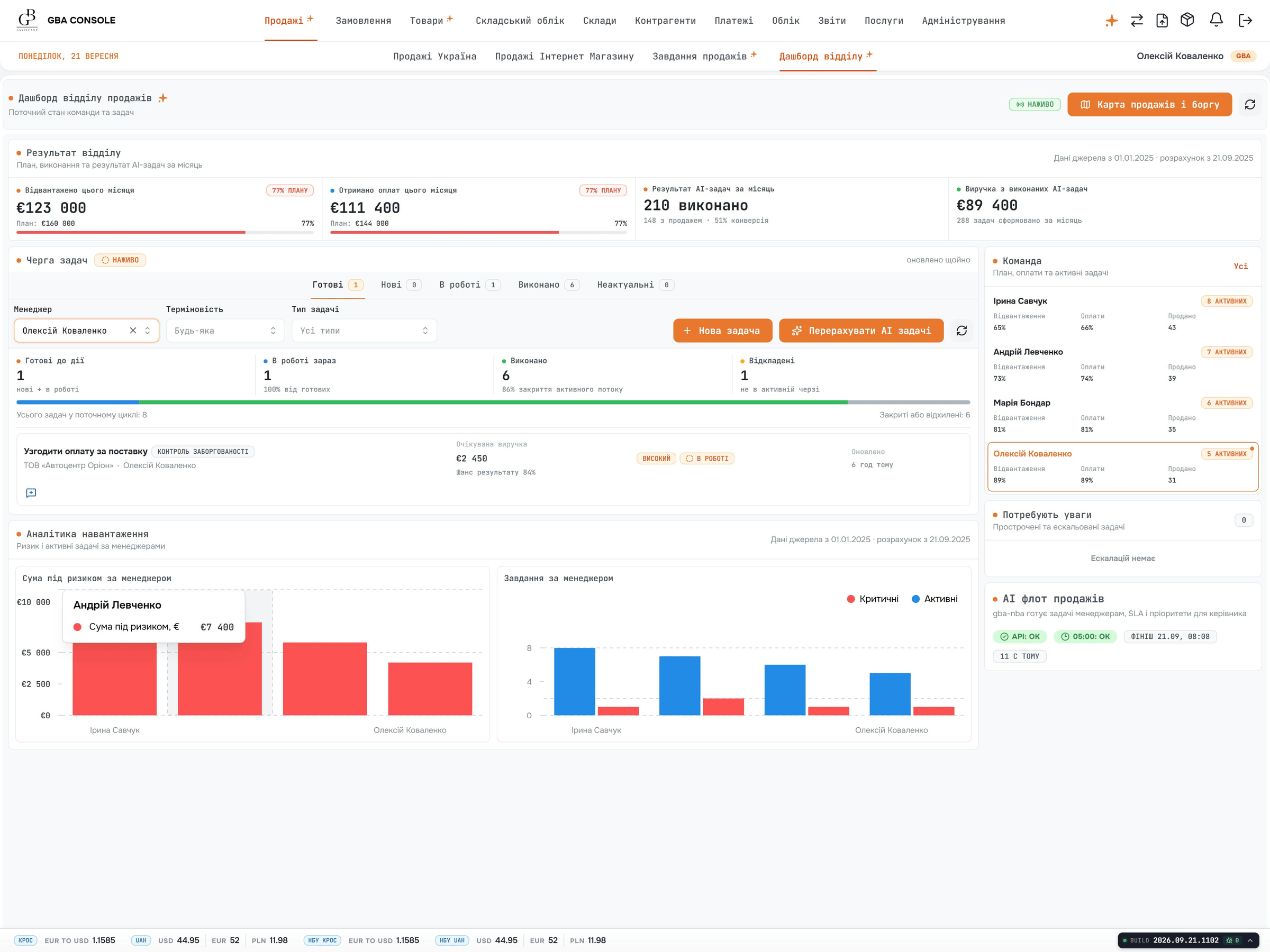
An ERP and CRM that replaced a legacy system at CONCORD, an importer of truck, trailer and bus parts. Sales, warehouse and finance work on the same order. AI writes tasks for sales managers and analyses warehouse data for purchasing.
Identify the authoritative transaction and account identifiers, correction rules and posting dates.
Confirm statement formats, import frequency and how corrections and reversals appear.
Match provider references to internal records and handle delayed, duplicated or reversed events.
Connect reviewer identity, approval limits and supporting documents to the decision record.
Agree currency, period and settlement-date definitions before combining balances and totals.
Define service access, credential ownership and how integrations resume after an interruption.
Each module supports a defined operation, from receiving a provider update to resolving a mismatch and explaining the balance.
We match bank statements and provider settlements to invoices and ledger entries, and send each mismatch to a review queue with both sources attached.
We route transactions that meet agreed review rules to a named reviewer, with supporting records, a decision reason and escalation history.
We route invoices, payments and corrections through agreed approval limits, with the approver, reason and supporting documents kept in the history.
We exchange invoices, payments and reference data with your accounting system, with retries and a visible state for every failed transfer.
We show open invoices, due dates and payment status by customer and supplier, with a link from each balance to its documents.
We build reports for reconciled amounts, pending reviews and unresolved exceptions, with a path from each total to the underlying records.
Finance teams need to know who initiated a change, which system owns the record and how an exception was resolved. We map those decisions before designing a platform or connecting a payment provider.
Start with the reconciliation, approval or reporting step that currently lives in spreadsheets and email threads. Your accounting system keeps the ledger while the operational tool enforces review trails and exception ownership.
Connect receivables, payables, settlement checks and multi-step approval queues with your accounting and banking feeds.
Explore custom ERP developmentMap existing exports, reconciliation scripts and permission rules, then transition one workflow at a time with parallel checks.
Explore legacy modernisationAgree where each total comes from, how exceptions are treated and when reports refresh so finance and operations see matching numbers.
Make reports agree across systemsDefine migration rehearsals, reconciliation checks and rollback conditions before moving live financial records.
Work through a modernisation planNo. The accounting system usually stays the ledger of record. Custom software covers the matching queues, supporting evidence, approval thresholds and exception handoffs before entries reach accounting.
We verify provider identifiers and event ordering up front, then test repeated webhooks, partial settlements and reversals so duplicates never inflate reports or cases.
Role rules block unauthorised users from approving resolutions, and every status change retains the reviewer, timestamp, attached evidence and reason.
Yes. Piloting one provider and one exception category lets your finance owner verify matched and unmatched outputs before adding more accounts or entities.
Bring the process, the providers and the control requirements. We will map the first release and what needs specialist review.
Discuss financial operations software