
Permitted connections
Record the approved data direction, accounts and environments for each operational interface.
We build operational views, meter-data checks and maintenance workflows around your existing systems. Teams can inspect the source, timestamp and resolution history while the operator retains control of equipment and safety decisions.
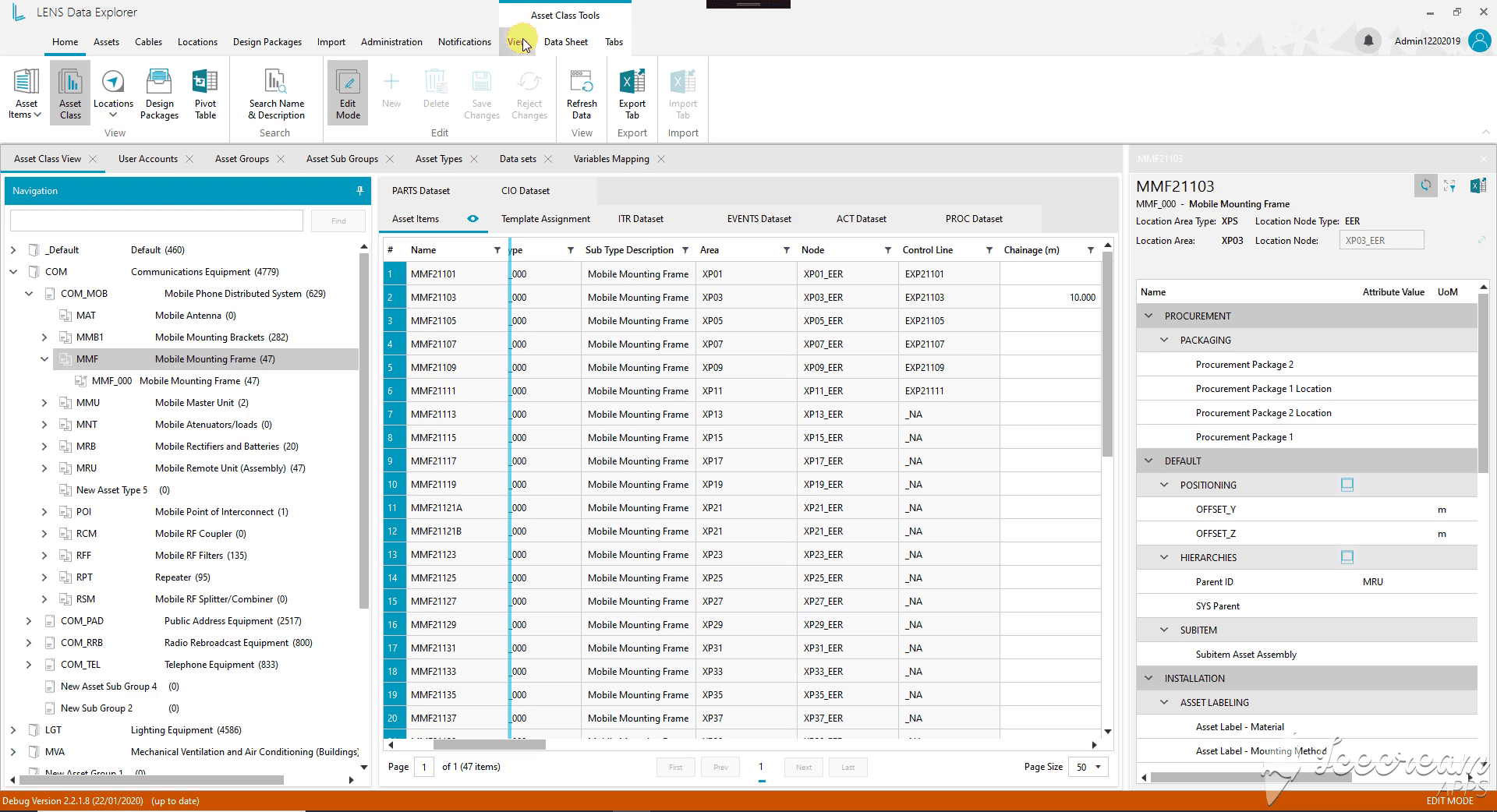
Related infrastructure experience: engineering data for transport assets.
Utility and energy teams use systems built for different purposes and lifecycles. We identify what information can be exchanged, how current it is and who may act on it. Any control-system intervention is scoped with the responsible engineers and safety owners.
Give operations and maintenance teams the readings, asset history and open work they need to review an issue.
We assemble asset status and events with source references, timestamps and data-quality indicators, so operators can tell what still needs checking.
We validate meter identifiers, units and intervals, then route missing or inconsistent readings to a review queue.
We connect programme enrolment, event notices, participation evidence and settlement review under the operator’s agreed rules.
We compare forecast and observed generation for the same asset and interval, showing the forecast version and missing observations.
We connect inspections, condition reports and service history to work requests, with a responsible person and a recorded closure decision.
We compare proposed planning scenarios using agreed inputs and assumptions, preserving versions for engineering review.
Match equipment identifiers, locations and service history across field records and the maintenance system.
Confirm measurement intervals, time zones, units and the distinction between cumulative readings and interval usage.
Keep inspection evidence and completion updates attached to the work request and responsible team.
Use approved read interfaces and test data access under the operator’s change and isolation procedures.
Define which conditions create a work item, who receives it and how repeated events are grouped.
Separate confirmed readings, estimates and unresolved gaps when calculating operational measures.
Your operations, engineering and security owners approve interfaces, access and acceptance conditions. We implement within that scope and document the checks and recovery steps needed for the release.
Record the approved data direction, accounts and environments for each operational interface.
Define who can view data, resolve work items and authorise configuration changes, with a retained history.
Agree when a reading becomes stale and how missing or conflicting information is shown to the operator.
Test interrupted feeds, late events and restart behaviour, then reconcile recovered data against the source.
A missing reading creates a work item linked to the meter, expected interval and last received data. An operator checks the cause, records the resolution and confirms the recovered reading or documented gap.
The example uses an approved read-only feed for one meter group. Operational control and billing remain in their existing systems; equipment commands and safety-critical changes require separate engineering scope and validation.
Bring representative readings, meter identifiers, expected intervals, time-zone rules and access restrictions. The operations owner agrees who reviews gaps and when a work item may close.
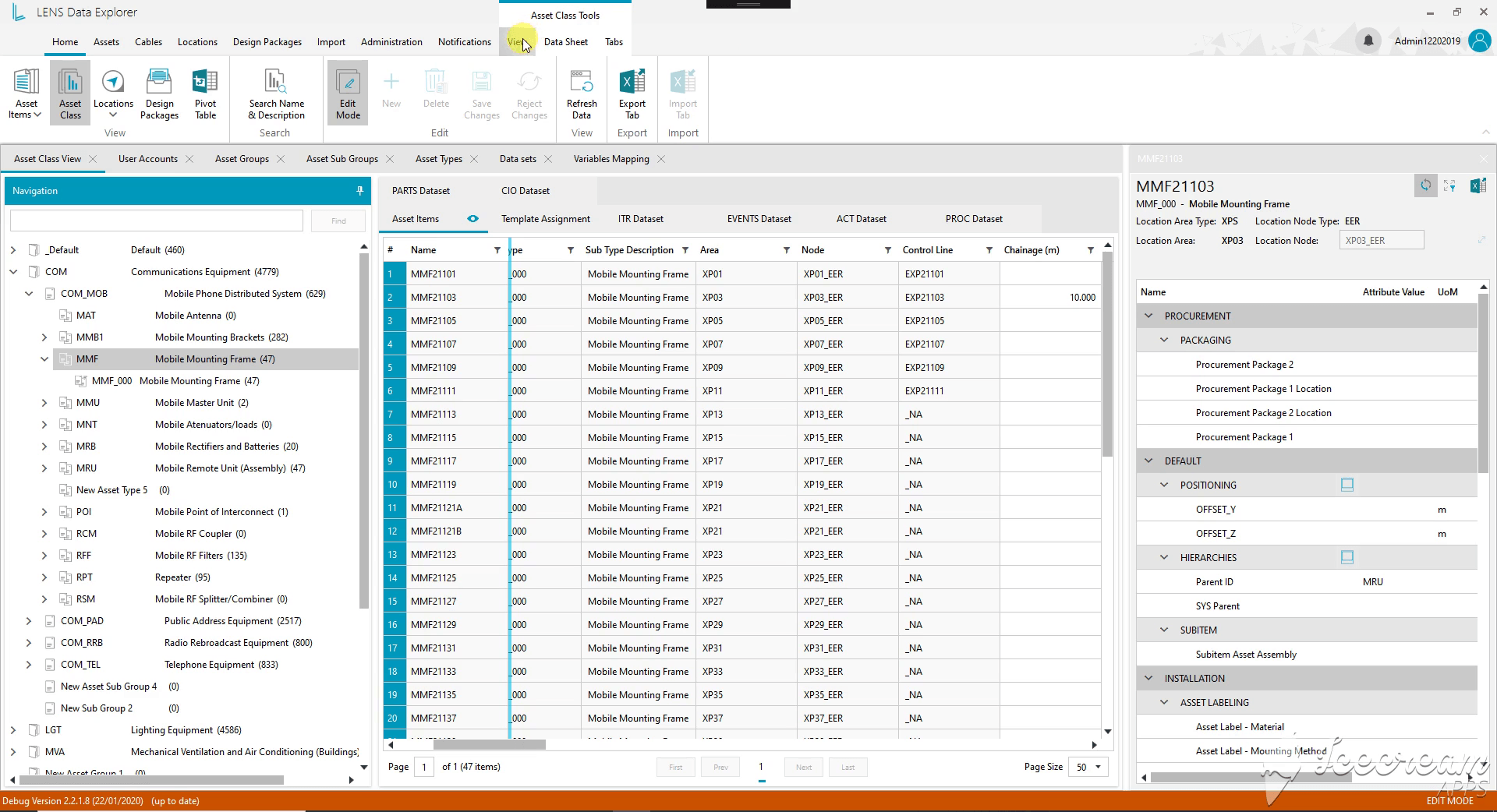
Engineering assets, cable relationships and revision history.
ExploreBring one meter-data or maintenance workflow, the systems involved and the operations owner. We will define the first release, its interfaces and acceptance checks.
Discuss energy operations software