

Source records
Identify meter, supplier and activity records, including their owner and level of detail.
We build tools that collect energy, emissions and material data, check for gaps and prepare reports. Each figure stays linked to its source, calculation method and review history.
Readings from one site enter a monthly energy report. Missing intervals and incompatible units go to a review queue; the responsible employee resolves them before approving the report and its source references.
One possible first workflowOne possible first workflow
Readings from one site enter a monthly energy report. Missing intervals and incompatible units go to a review queue; the responsible employee resolves them before approving the report and its source references.
The example covers one source feed and an agreed reporting period. Existing meters stay in place; emissions modelling, external assurance and organisation-wide reporting are separate scope decisions.
Bring a sample period, meter and site identifiers, units, expected intervals and missing-data rules. The reporting owner confirms the totals and treatment of corrections.
Review the assessment briefIdentify meter, supplier and activity records, including their owner and level of detail.
Agree units, reporting boundaries and the approved method for converting source values.
Define import formats, update frequency and how repeated or corrected records are recognised.
Route missing periods, incompatible units and unusual changes to the person who can resolve them.
Link each reported figure to the included records, calculation version and release approval.
Keep original and revised calculations available, with the reason and impact of each change.
Sustainability teams receive data in different formats and at different times. We map each source, calculation and reviewer, so a reported figure can be traced and corrected.
Related reporting experience: plant figures turned into comparable reports.

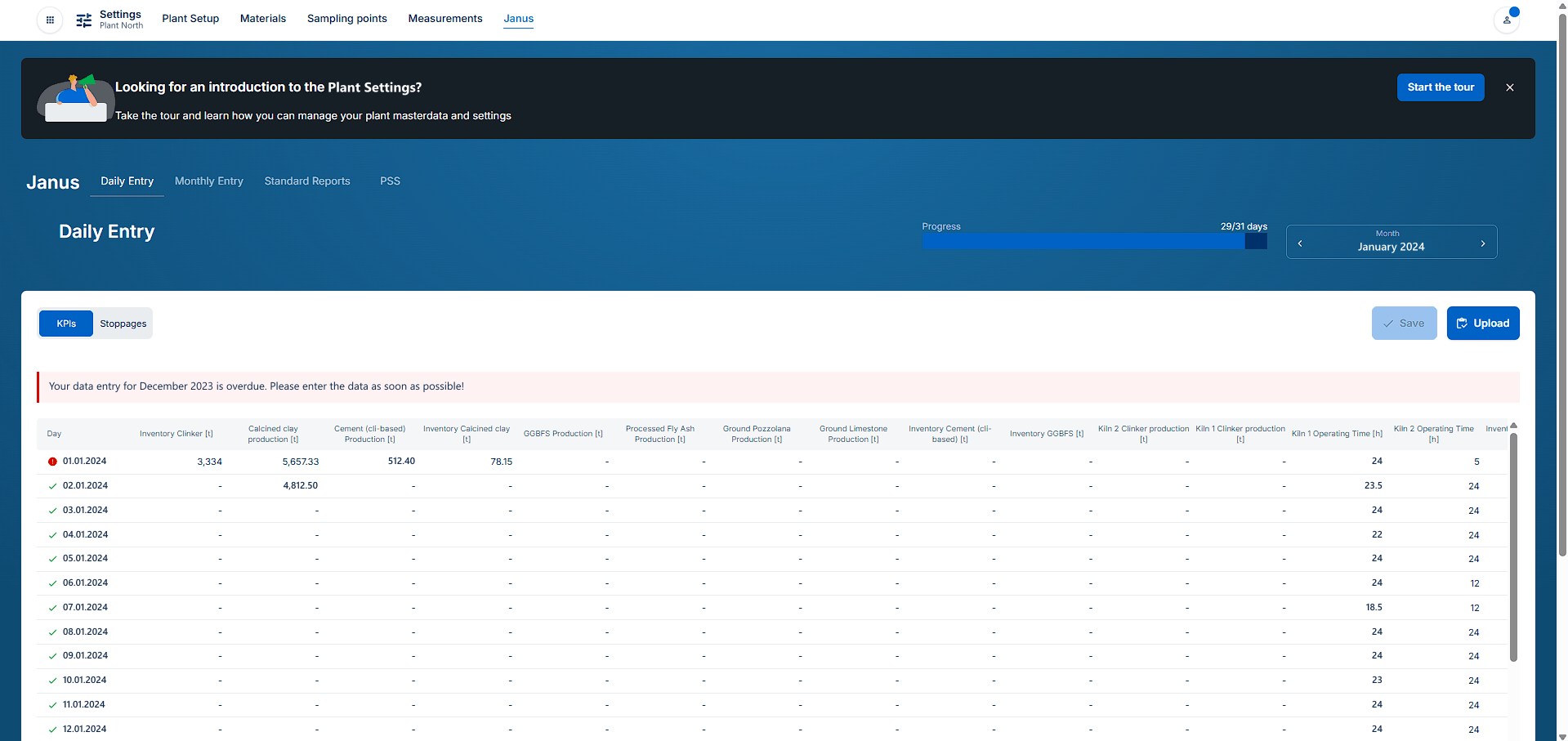
Cement plants enter daily production figures, each plant’s own rules calculate its KPIs, and management compares monthly reports across sites.

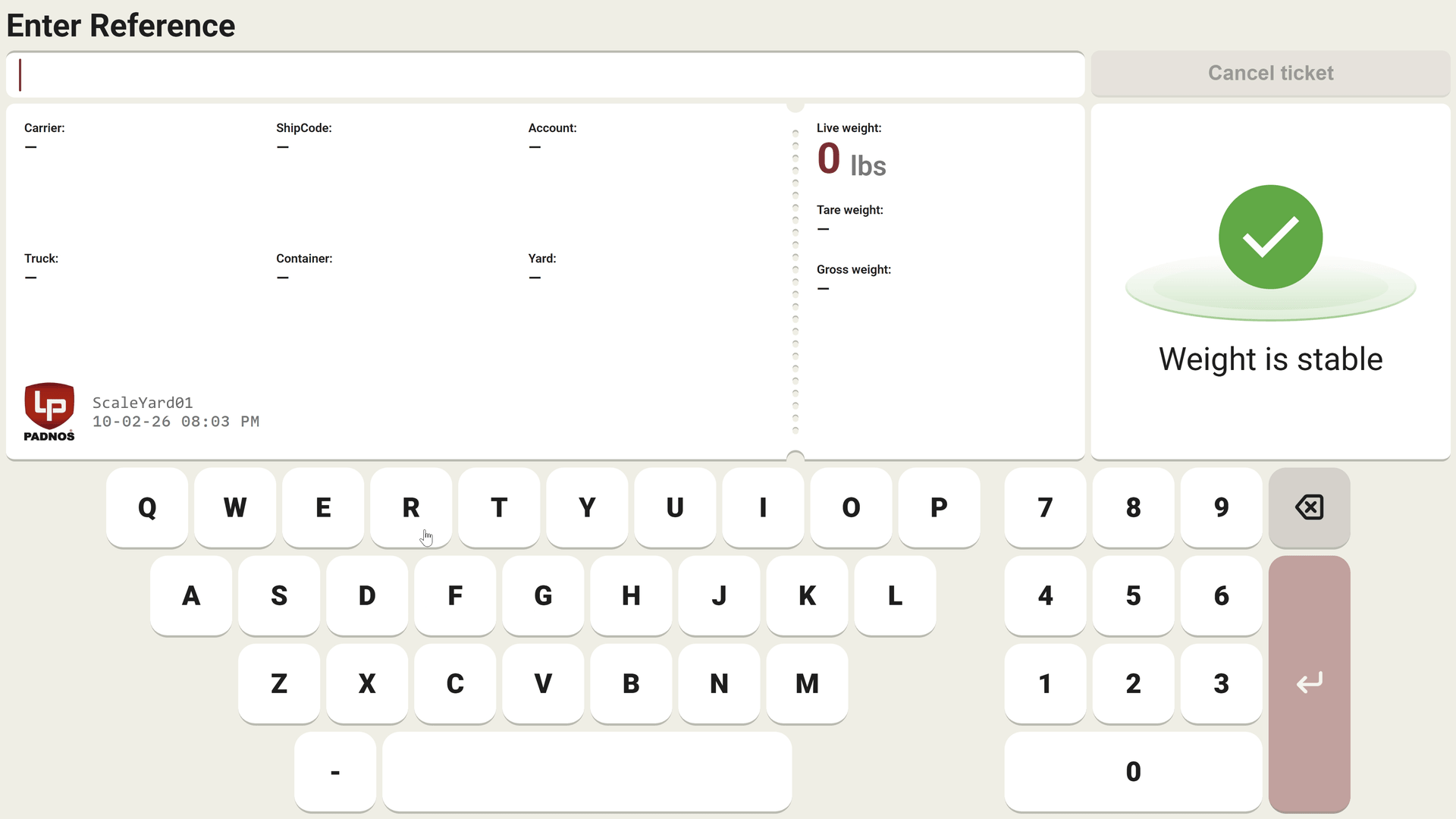
Drivers enter load details at a self-service kiosk that reads the truck scale and prints a receipt. PADNOS operators review and manage weighing transactions in a separate workspace.
Connect collection, calculation and review so the team can identify missing evidence before releasing a report.
We connect activity records to agreed emissions calculations, retaining units, factor versions and the assumptions behind each result.
We compare generation and consumption by site and period, marking missing readings and the time of the latest update.
We link material receipts, movements and disposal records to supplier documents, with quantities and units that can be reconciled.
We assemble agreed indicators into reviewable reports and exports, keeping estimates, exclusions and unresolved gaps visible.
We connect a measurement or material record to its site, equipment and operating period so reports use the intended boundary.
We collect supplier submissions in a defined format, record supporting documents and return incomplete entries to an assigned contact.
Your sustainability specialists select the applicable reporting framework, such as the GHG Protocol for a corporate emissions inventory. We implement the agreed records and calculations; external verification and environmental claims require their own assessment.
We agree the applicable requirements, owners and acceptance checks before implementation, based on your data, industry and operating countries.
Role permissions, MFA or SSO where required, access reviews and removal when responsibilities change.
Encryption in transit and at rest, controlled exports, agreed hosting locations and data-retention rules.
Relevant audit events, tested backups, vulnerability checks and named owners for incident response.
Record the sites, activities and periods included in each report, together with explicit exclusions.
Keep the approved calculation method, conversion factors and their versions attached to the result.
Distinguish measured values, estimates and missing data, with a documented basis for estimates.
Retain the document or reading behind a figure and record corrections without losing the original.
Assign data owners and reviewers, and record which unresolved issues remain at release.
Preserve published versions and explain how later data or method changes affect reported totals.
Start with one recurring report or site dataset where spreadsheet collection creates gaps and version disputes. Keep your existing meters and accounting tools while automating checks, units and traceable revisions.
Collect site readings and supplier submissions, flag missing intervals and publish approved reports linked to source records.
Explore custom product developmentReplace fragile manual spreadsheets by connecting existing operational databases, utility exports and site systems.
Explore legacy modernisationDefine source ownership, unit conversion rules and calculation versions so every reported figure can be verified later.
Make reports agree across systemsHandle delayed readings, interval gaps and data validation checks without silently turning missing values into zeros.
Plan reliable data pipelinesMissing intervals remain explicitly marked as missing rather than counted as zero. Late or corrected source records create a traceable revision while keeping the previously approved report intact.
Yes. Each report stores the factor version, unit conversion and source records used, so reviewers can reproduce historical totals when methods change later.
No. The first release works from existing meter exports, utility files or ERP feeds for one agreed site and reporting period.
Suppliers receive scoped access to submit figures and supporting files for their assigned periods, while your reporting owner reviews and approves entries before inclusion.
Bring one reporting question and the data behind it. We will map a first usable workflow.
Discuss sustainability software