Permitted data use
Identify the records needed for the service, permitted uses, retention and the approvals required before access is enabled.
We build patient portals, staff workflows and data exchanges around your existing systems. Start with a defined service, its users and the records they need.
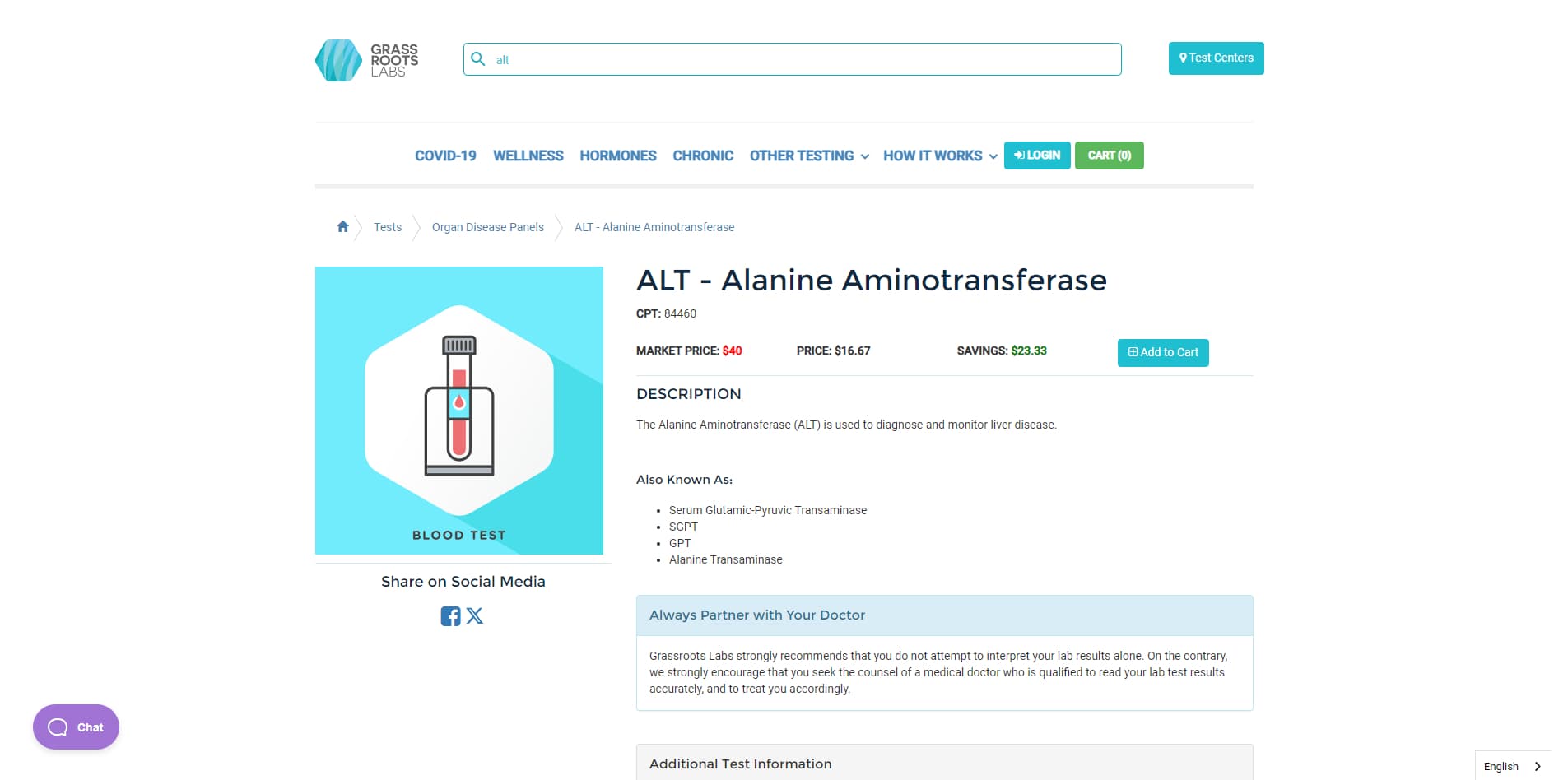
The operational journey from a test order to its result.
A service request may involve a patient, coordinator, laboratory and clinical system. We define how their records match, who can release information and how staff handle missing or conflicting updates. Those decisions guide the portal, integration and review queues.
The scope connects the patient’s request to the staff actions, source records and status updates needed to complete it.
We implement role permissions and record relevant access, changes and releases of information. The event set and review process are agreed with your security and service owners.
We connect supported interfaces, match patient and service identifiers, and handle failed or repeated updates. Vendor access and representative test records are confirmed before implementation.
We build reports for request volumes, waiting work and completion times, with agreed definitions and links back to the source records.
We connect booking, confirmation, consultation access and follow-up tasks to the same appointment, with cancellation and rescheduling rules.
Patients can submit requests, see appointments and access documents released to them. We define what remains under staff review and how the portal explains the next step.
We route requests, missing information and overdue reviews to a named owner, with a recorded reason when work is returned or reassigned.
Confirm which EHR owns the clinical record and which identifiers, fields and updates its interface supports.
Agree message formats, update direction and how incomplete, duplicated or unmatched records enter review.
Keep availability, booking changes and attendance linked to the appointment in the source schedule.
Identify the studies or reports the workflow needs, their patient references and the archive’s permitted access.
Define the period, source events and access rules for each operational measure before combining data.
Agree data locations, staff and patient sign-in, support access and recovery responsibilities.
We agree these decisions with your clinical, privacy, legal and security owners for the intended users and operating countries. Our team implements and tests the resulting software requirements; clinical functions and formal assurance work need their own defined scope.
Identify the records needed for the service, permitted uses, retention and the approvals required before access is enabled.
Agree identifiers and reconciliation rules. Ambiguous matches stay in a review queue instead of attaching information to an assumed patient.
Define who can review and release a record, how corrections are handled and what the patient sees while a decision is pending.
Test staff, patient and support roles against permitted records and actions, including access removal and relevant audit events.
Agree backup and restore checks, monitoring, escalation contacts and responsibility for resolving failed exchanges or incidents.
Use representative records to check identifiers, document versions, status changes, retries and failures with the source-system owner.
A patient submits a service request. Staff review the details, request missing information when needed and confirm the next step in the portal.
The first release covers one service and agreed staff roles, while the EHR retains the clinical record. We confirm permitted data use and the vendor interface before implementation. Diagnostic and clinical decision-support functions require a separate assessment.
Bring an anonymised request, role matrix, EHR documentation and the clinical, privacy and integration owners.
Tell us about your workflow, systems and data constraints. We will help plan a realistic first release and the controls it needs.
Discuss healthcare software