
Native iOS and watch interfaces
Swift and Objective-C work alongside SwiftUI, UIKit, Combine and WatchKit.
Dash payments and services in a native iOS wallet.
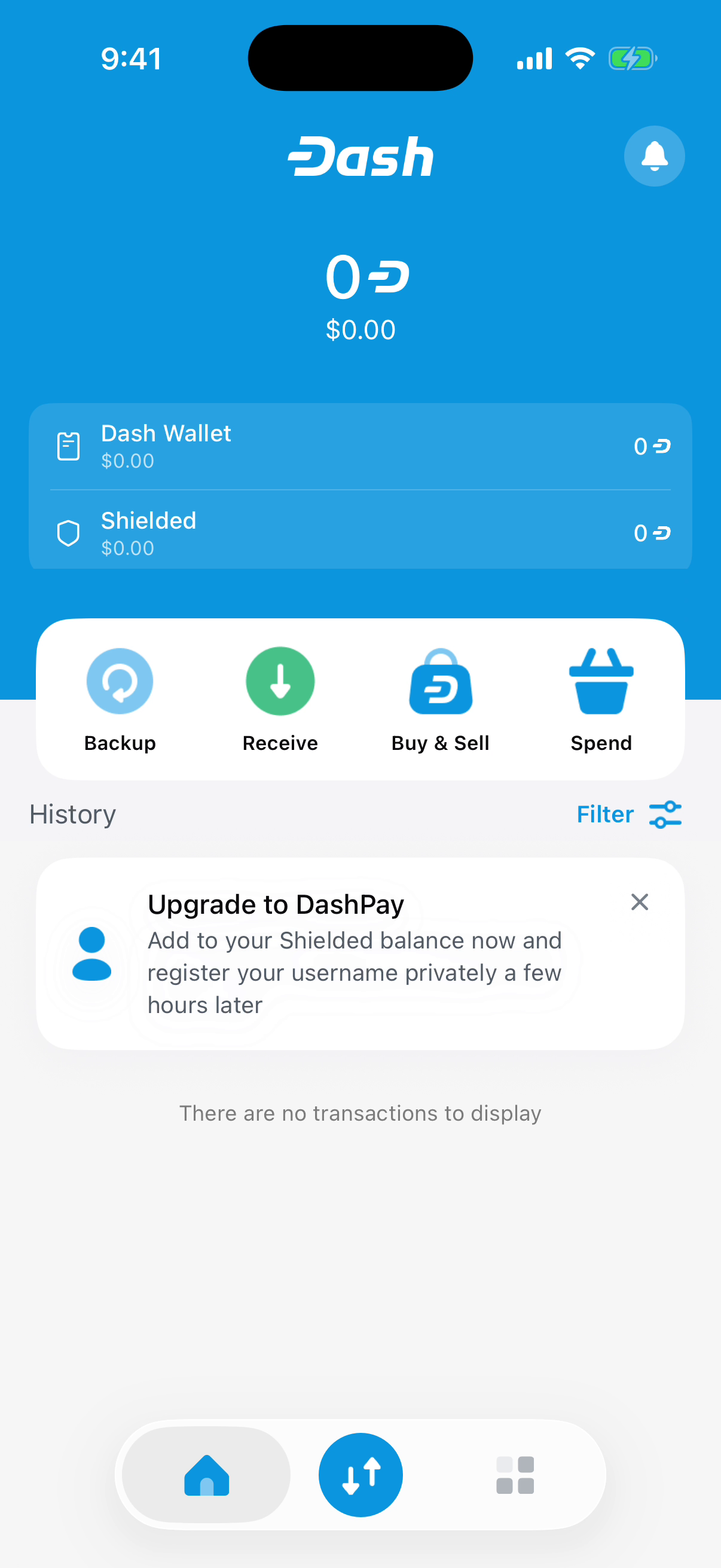
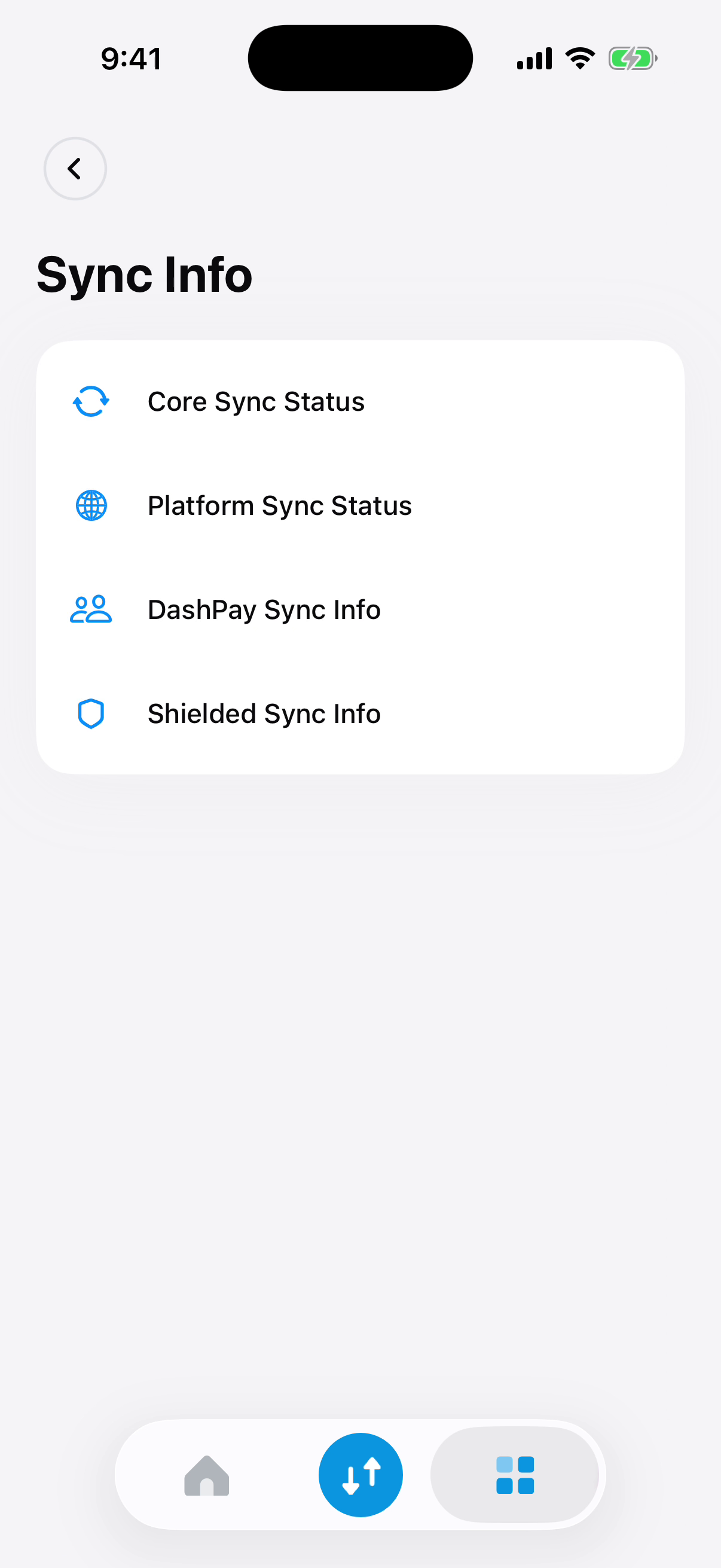
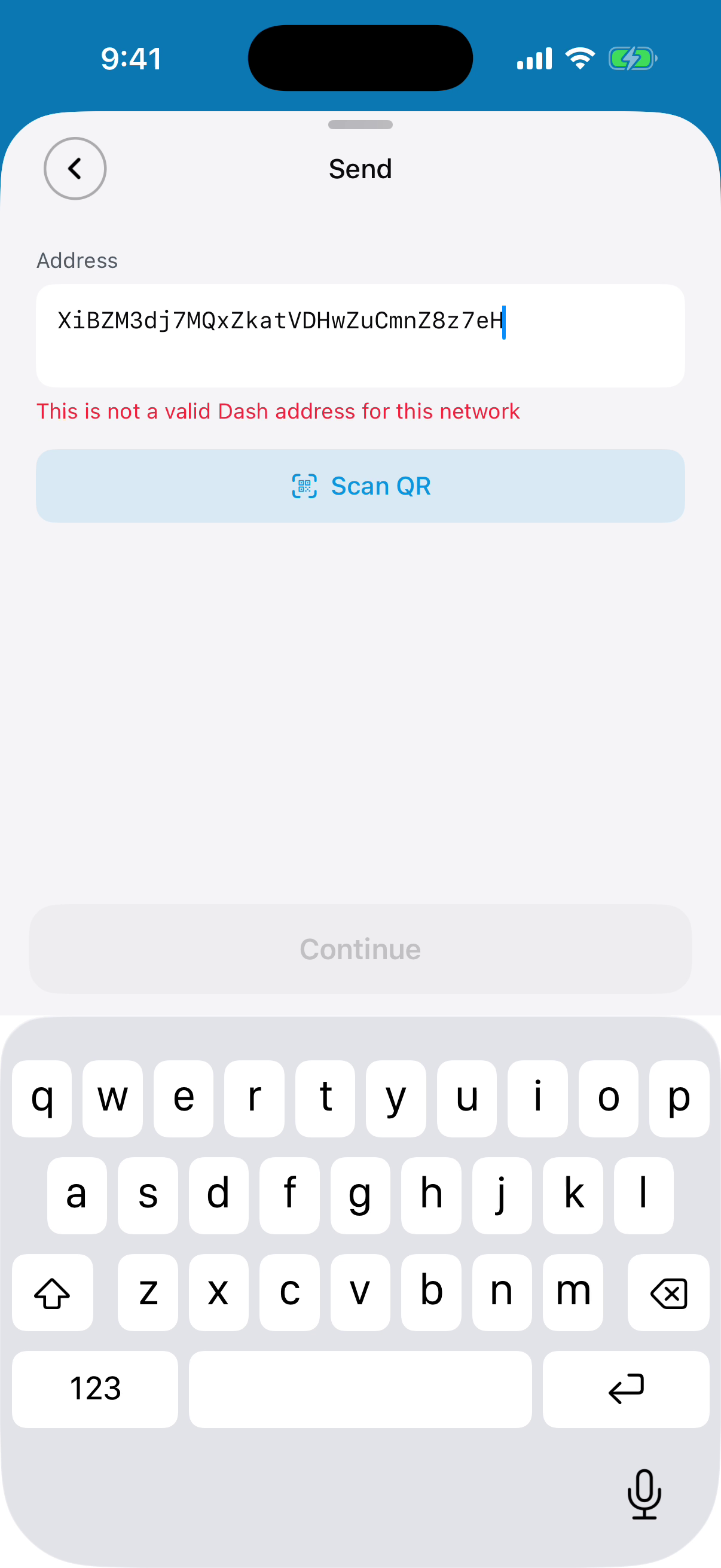
Native iOS development for Dash Core Group, covering wallet and shielded balances, payment requests, recipient validation, DashPay and merchant discovery. The application also exposes synchronisation, network settings and governance tools.
Users can create or recover a wallet. Its settings cover local currency, notifications, network selection and an advanced mode.
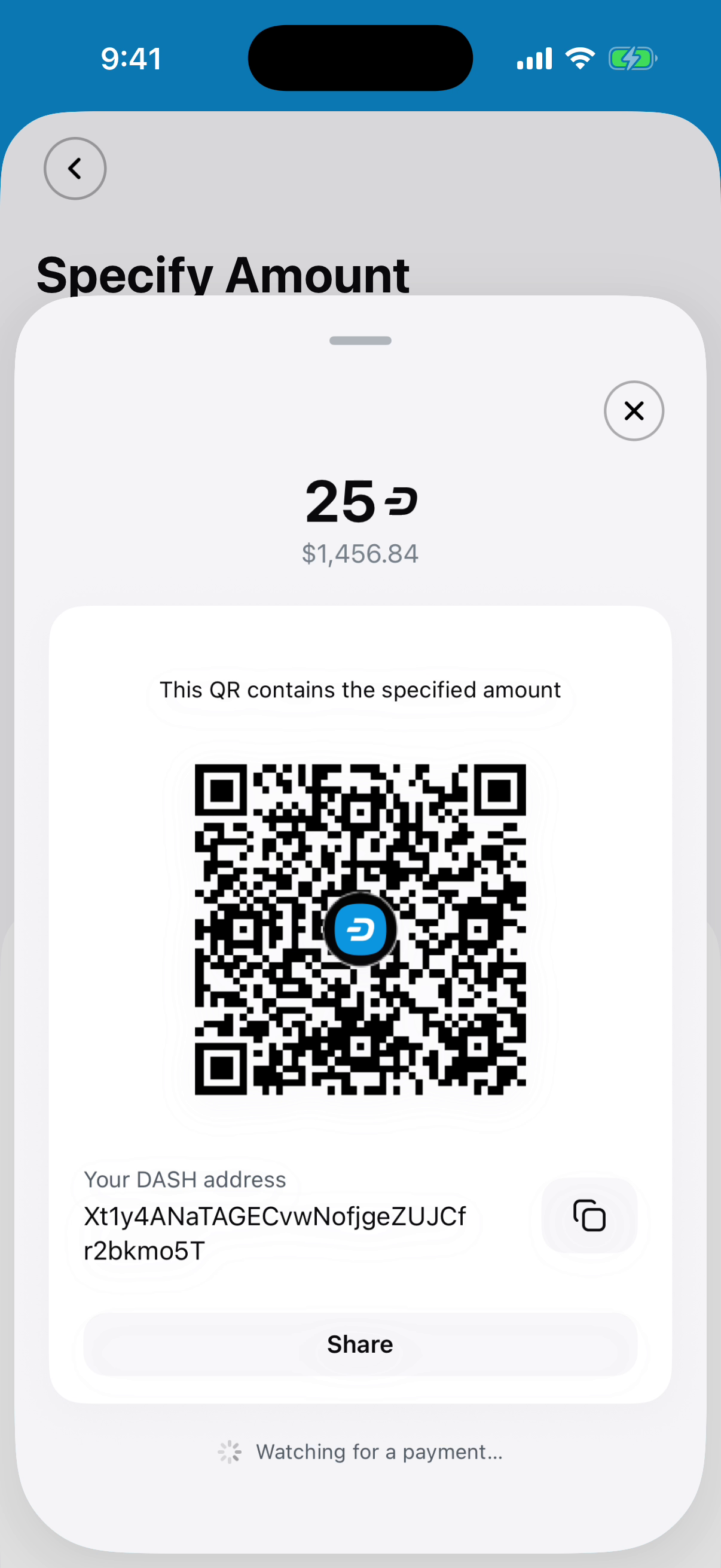
Receive, Internal and Send are separate actions in the payment panel. Request creation and recipient entry use different forms.
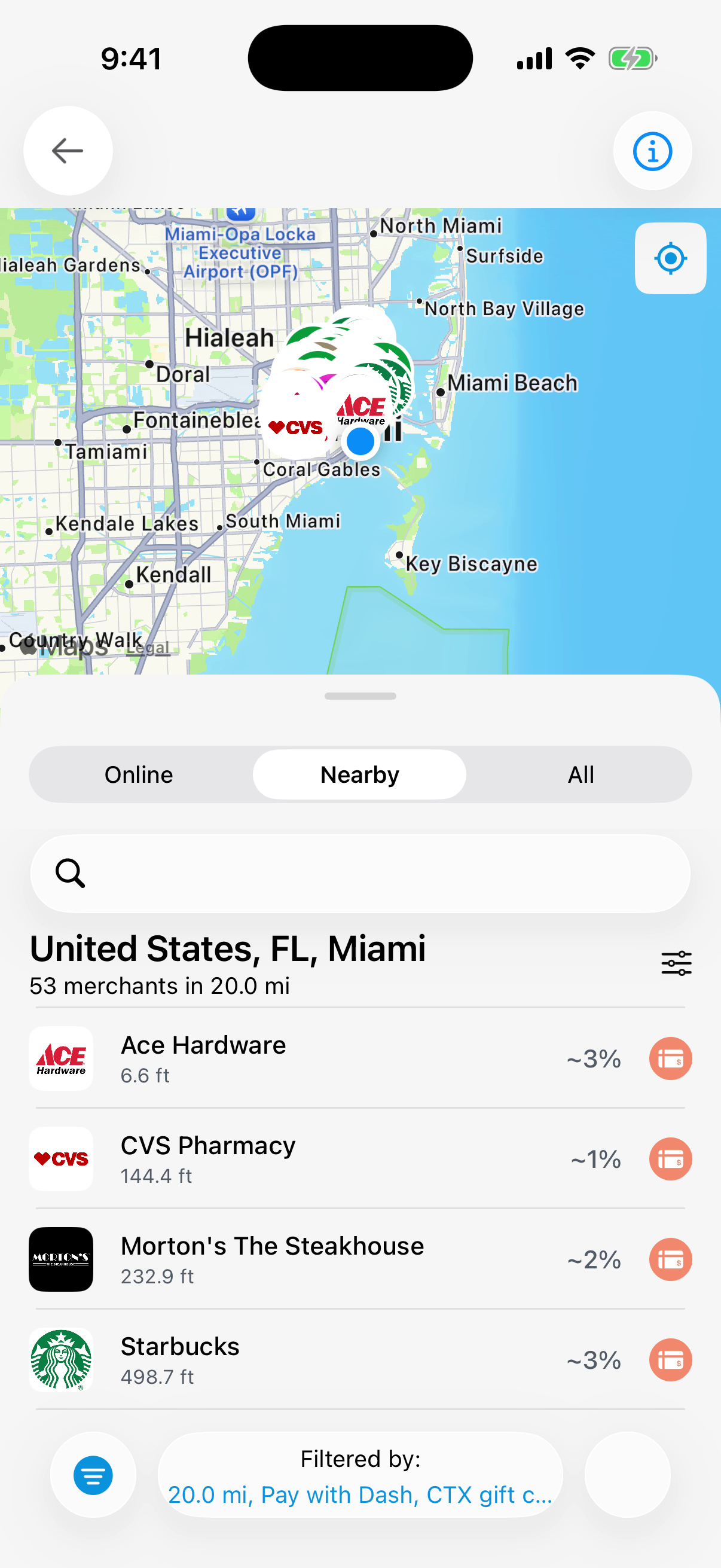
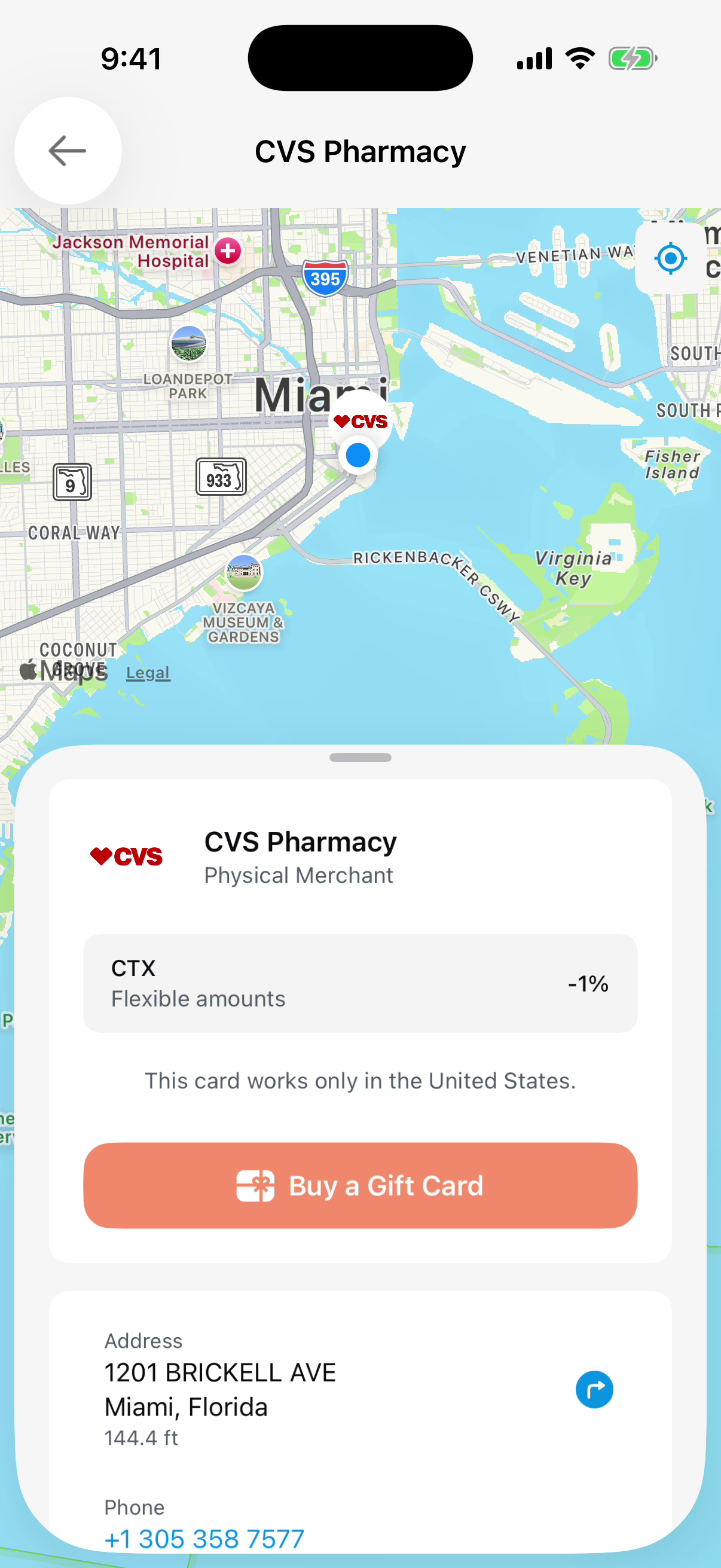
The directory distinguishes direct Dash payments from gift-card offers. Users can switch between online, nearby and all merchants before opening a business.
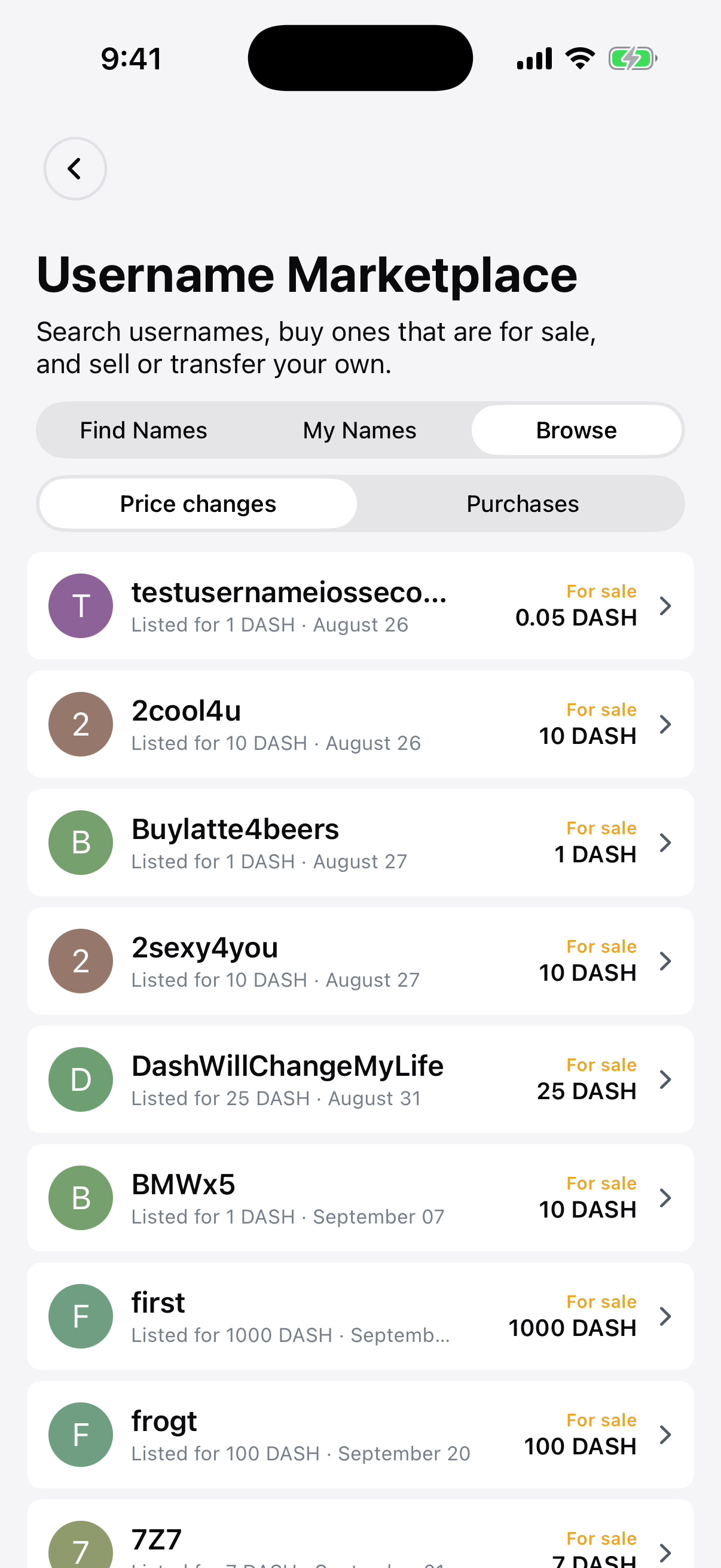
The username marketplace shows names offered for sale, listing prices and dates. Separate controls cover finding names, owned names, purchases and price changes.
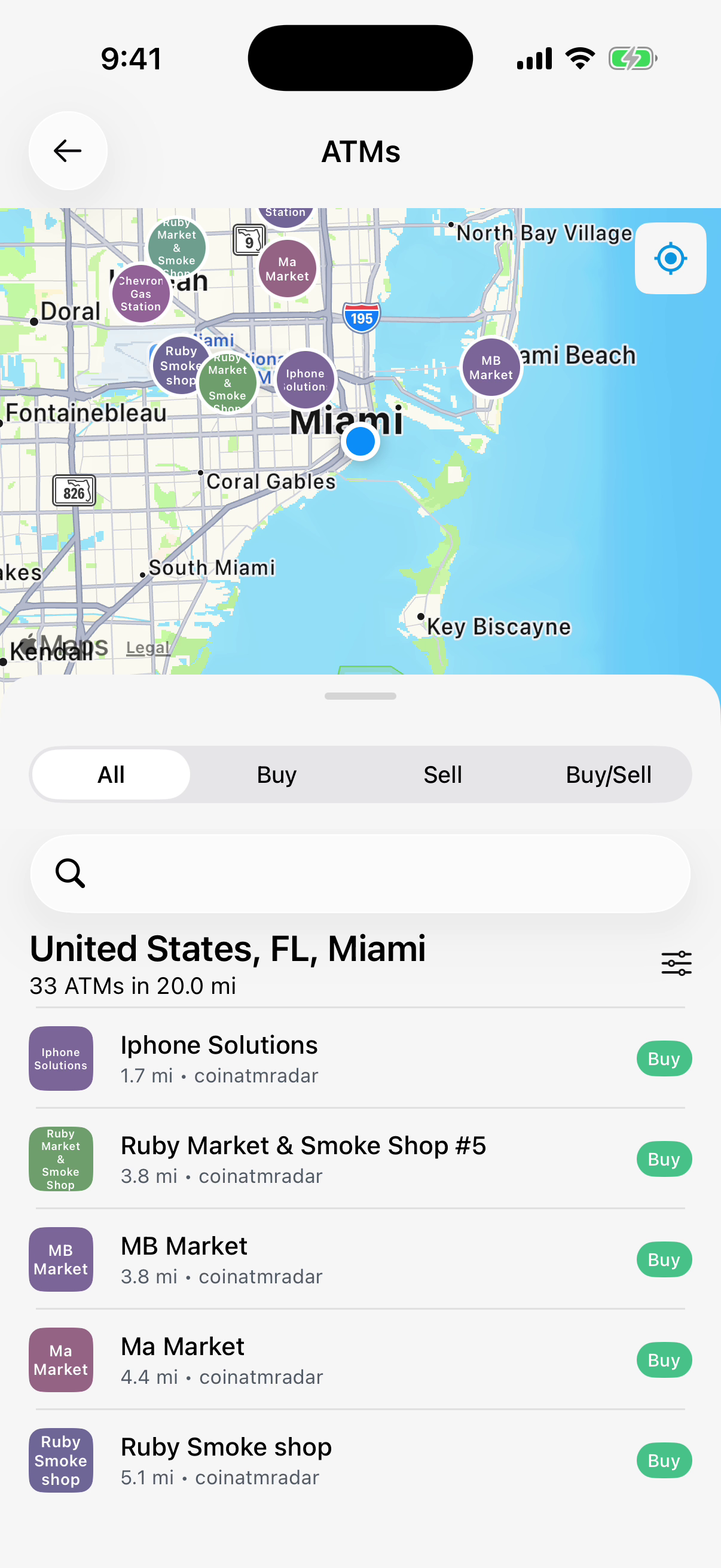
The ATM directory pairs a map with distances and provider details. Buy, Sell and Buy/Sell filters distinguish the services offered at each location.
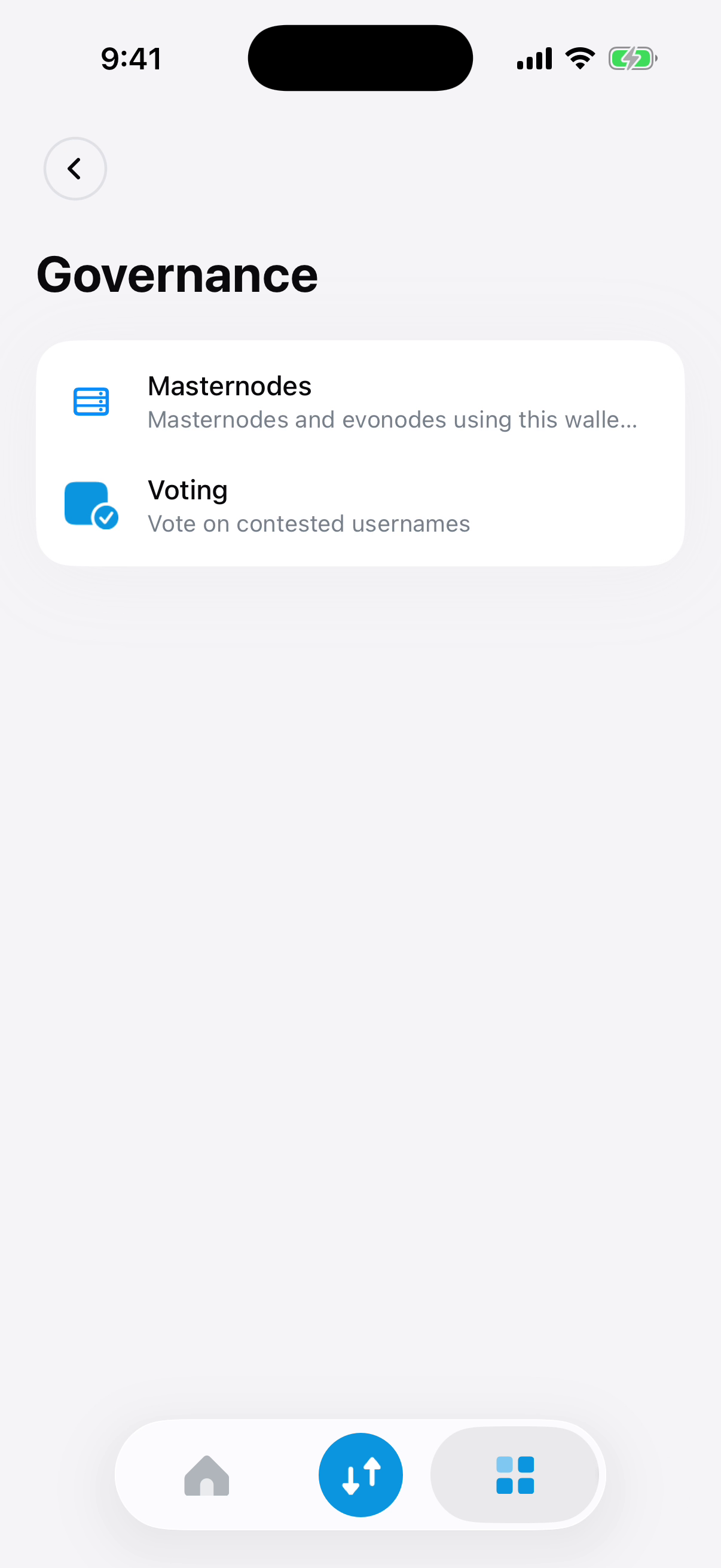
Governance separates masternode management from voting on contested usernames. Voting can be enabled in the wallet settings.
Native iOS interfaces connected to wallet storage, maps and the Dash SDK.
Swift and Objective-C work alongside SwiftUI, UIKit, Combine and WatchKit.
The recorded storage stack includes SwiftData, Core Data and SQLite.
SwiftDashSDK connects Rust through FFI. Moya, MapKit, CoreLocation and LocalAuthentication support networking, maps, location and device authentication.
CocoaPods manages dependencies; Maestro is used for UI tests.
We can help connect native screens, account data and SDK integrations, with a test plan for valid input, rejected actions and pending states.
Discuss your iOS application