
Reporting boundary
Record the sites, activities and periods included in each report, together with explicit exclusions.
We build tools that collect energy, emissions and material data, check gaps and prepare reports. Each figure stays linked to its source, calculation method and review history.
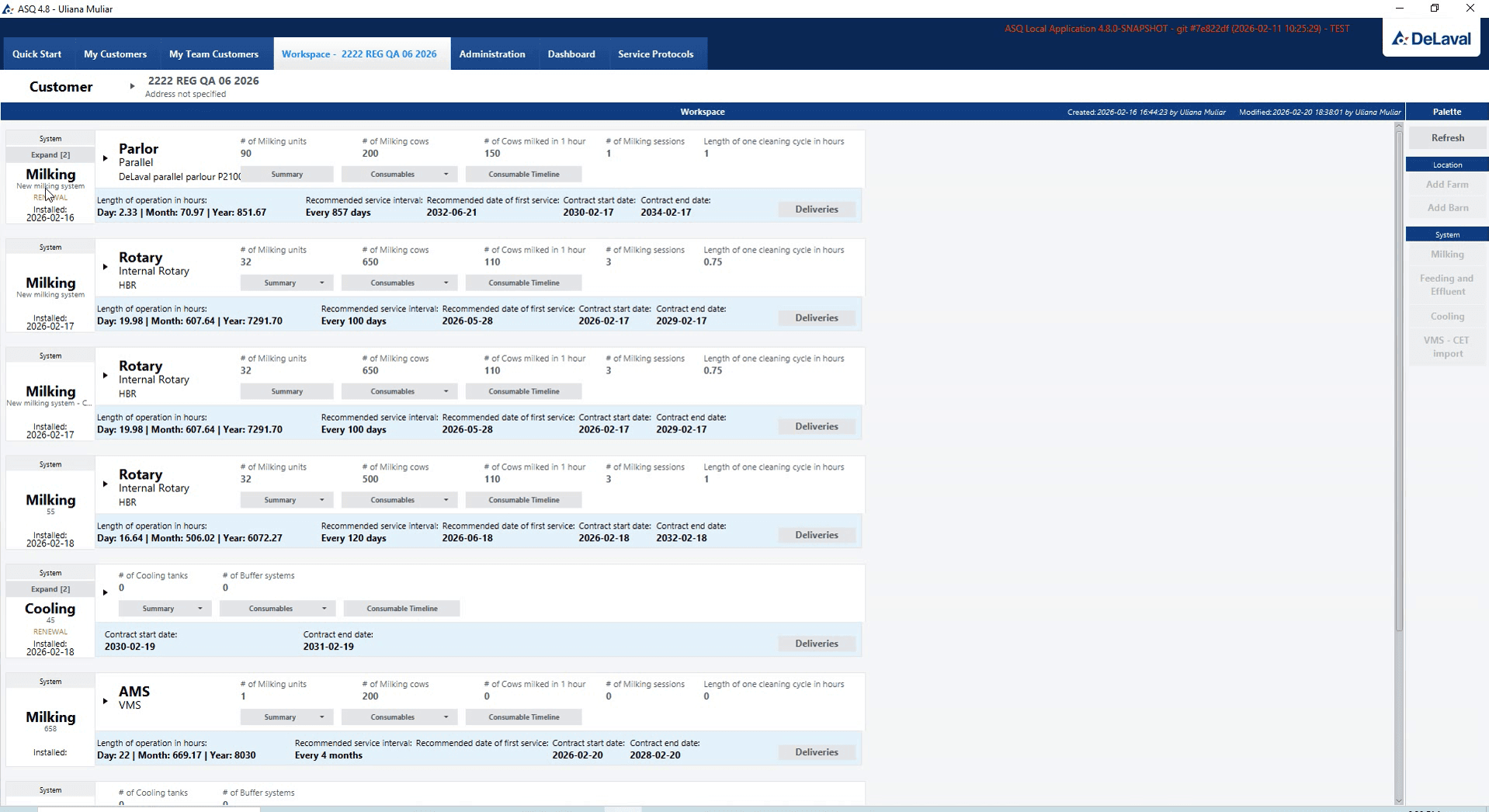
Related field-service experience: equipment, contracts and site work.
Sustainability teams often receive data in different formats and at different times. We map each source, calculation and reviewer so a reported figure can be traced and corrected.
Connect collection, calculation and review so the team can identify missing evidence before releasing a report.
We connect activity records to agreed emissions calculations, retaining units, factor versions and the assumptions behind each result.
We compare generation and consumption by site and period, marking missing readings and the time of the latest update.
We link material receipts, movements and disposal records to supplier documents, with quantities and units that can be reconciled.
We assemble agreed indicators into reviewable reports and exports, keeping estimates, exclusions and unresolved gaps visible.
We connect a measurement or material record to its site, equipment and operating period so reports use the intended boundary.
We collect supplier submissions in a defined format, record supporting documents and return incomplete entries to an assigned contact.
Identify meter, supplier and activity records, including their owner and level of detail.
Agree units, reporting boundaries and the approved method for converting source values.
Define import formats, update frequency and how repeated or corrected records are recognised.
Route missing periods, incompatible units and unusual changes to the person who can resolve them.
Link each reported figure to the included records, calculation version and release approval.
Keep original and revised calculations available, with the reason and impact of each change.
Your sustainability specialists select the applicable reporting framework, such as GHG Protocol for a corporate emissions inventory. We implement the agreed records and calculations; external verification and environmental claims require their own assessment.
Record the sites, activities and periods included in each report, together with explicit exclusions.
Keep the approved calculation method, conversion factors and their versions attached to the result.
Distinguish measured values, estimates and missing data, with a documented basis for estimates.
Retain the document or reading behind a figure and record corrections without losing the original.
Assign data owners and reviewers, and record which unresolved issues remain at release.
Preserve published versions and explain how later data or method changes affect reported totals.
Readings from one site enter a monthly energy report. Missing intervals and incompatible units go to a review queue; the responsible employee resolves them before approving the report and its source references.
The example covers one source feed and an agreed reporting period. Existing meters stay in place; emissions modelling, external assurance and organisation-wide reporting are separate scope decisions.
Bring a sample period, meter and site identifiers, units, expected intervals and missing-data rules. The reporting owner confirms the totals and treatment of corrections.

Bring one reporting question and the data behind it. We will map a first usable workflow.
Discuss sustainability software