
Requests reach a driver who is nearby
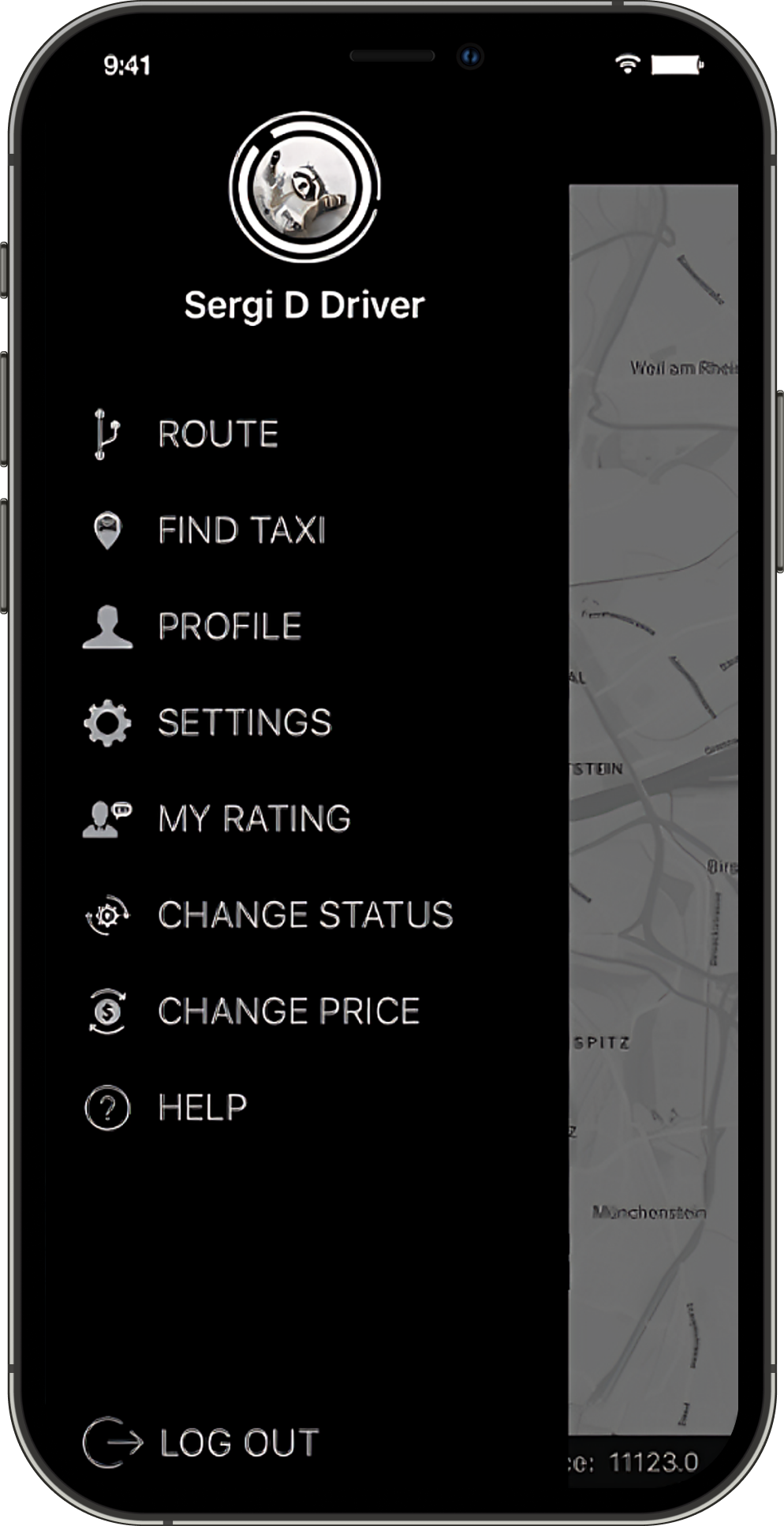
Orders are assigned by the driver’s proximity, and drivers mark themselves available or not in the menu.
We built Taxi Deals for a taxi service: one mobile app for passengers and drivers. A passenger plans a trip with an estimated cost and time, and the request goes to a nearby driver who is available.
What passengers and drivers do in the appDeveloped in 2017
The service wanted to end three problems: mismatched bookings, drivers assigned inefficiently and gaps in communication between passenger and driver.
A passenger needs the pickup point, the likely cost and a way to reach the driver. A driver needs a request close by and the same trip details.
Development of the mobile app for passengers and drivers and the web application behind it.
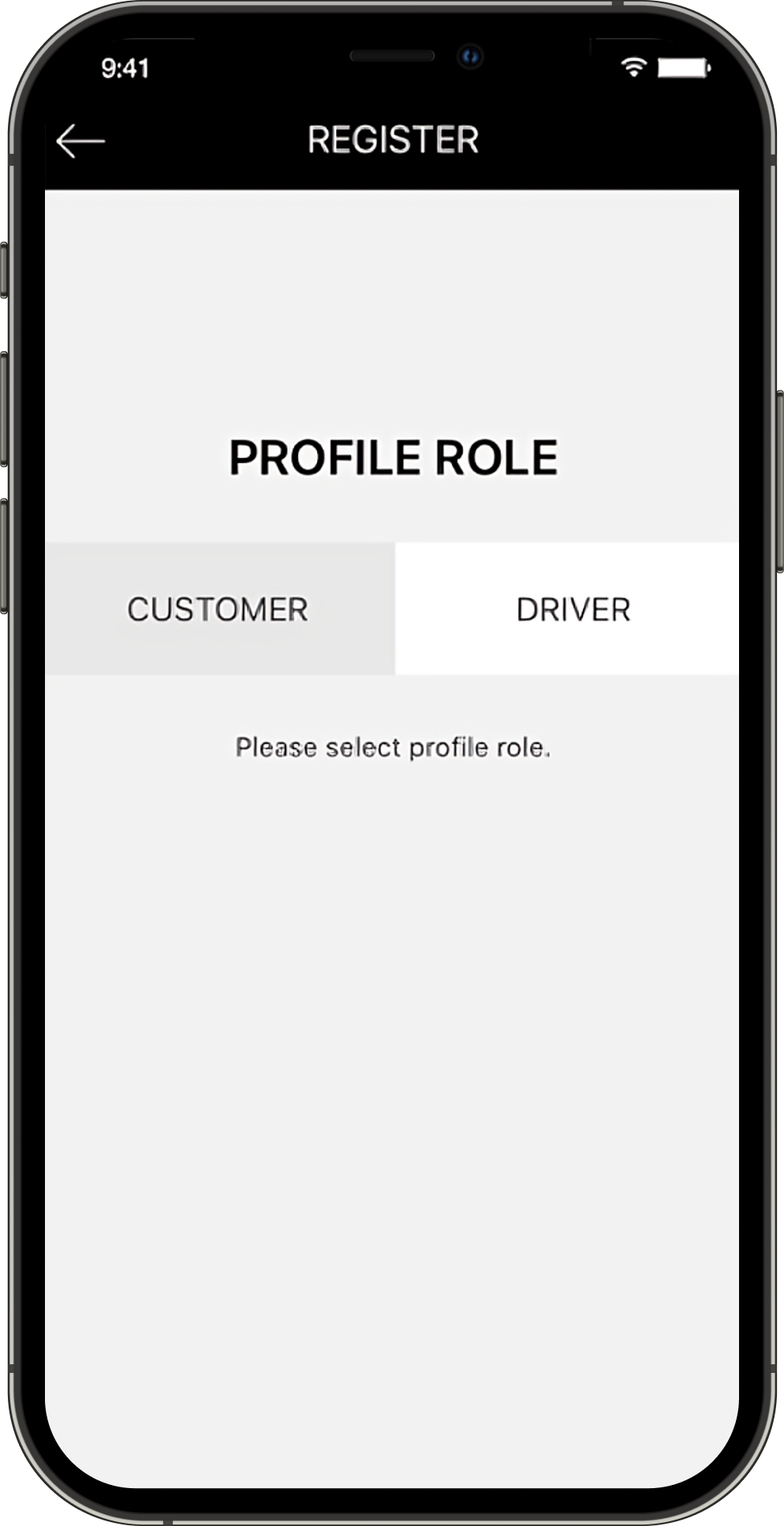
One app with two roles, chosen at sign-up: passenger or driver.
Orders are assigned by the driver’s proximity, and drivers mark themselves available or not in the menu.
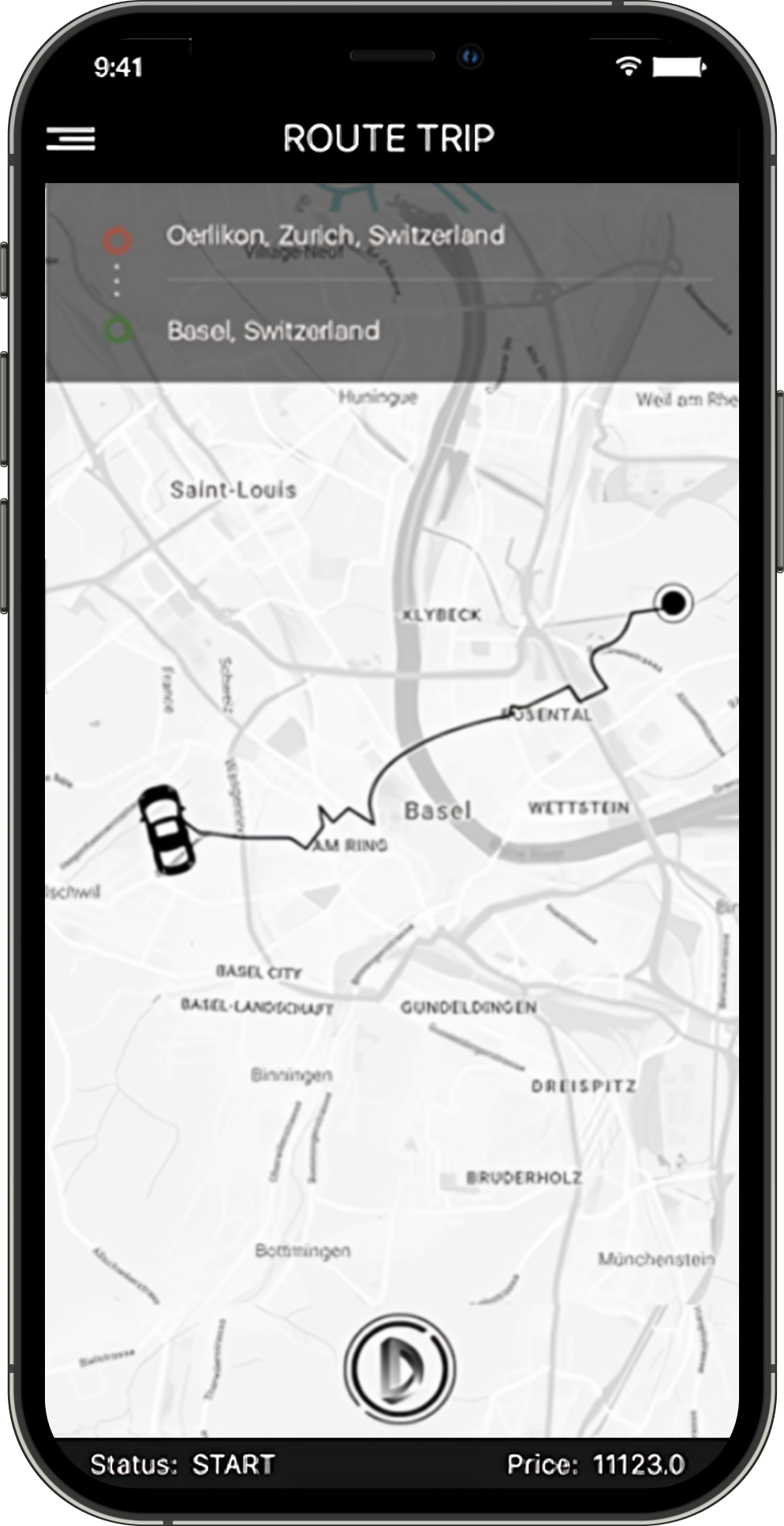
Route planning shows the estimated cost and journey time before booking. During the ride the status and price stay at the bottom of the trip screen.
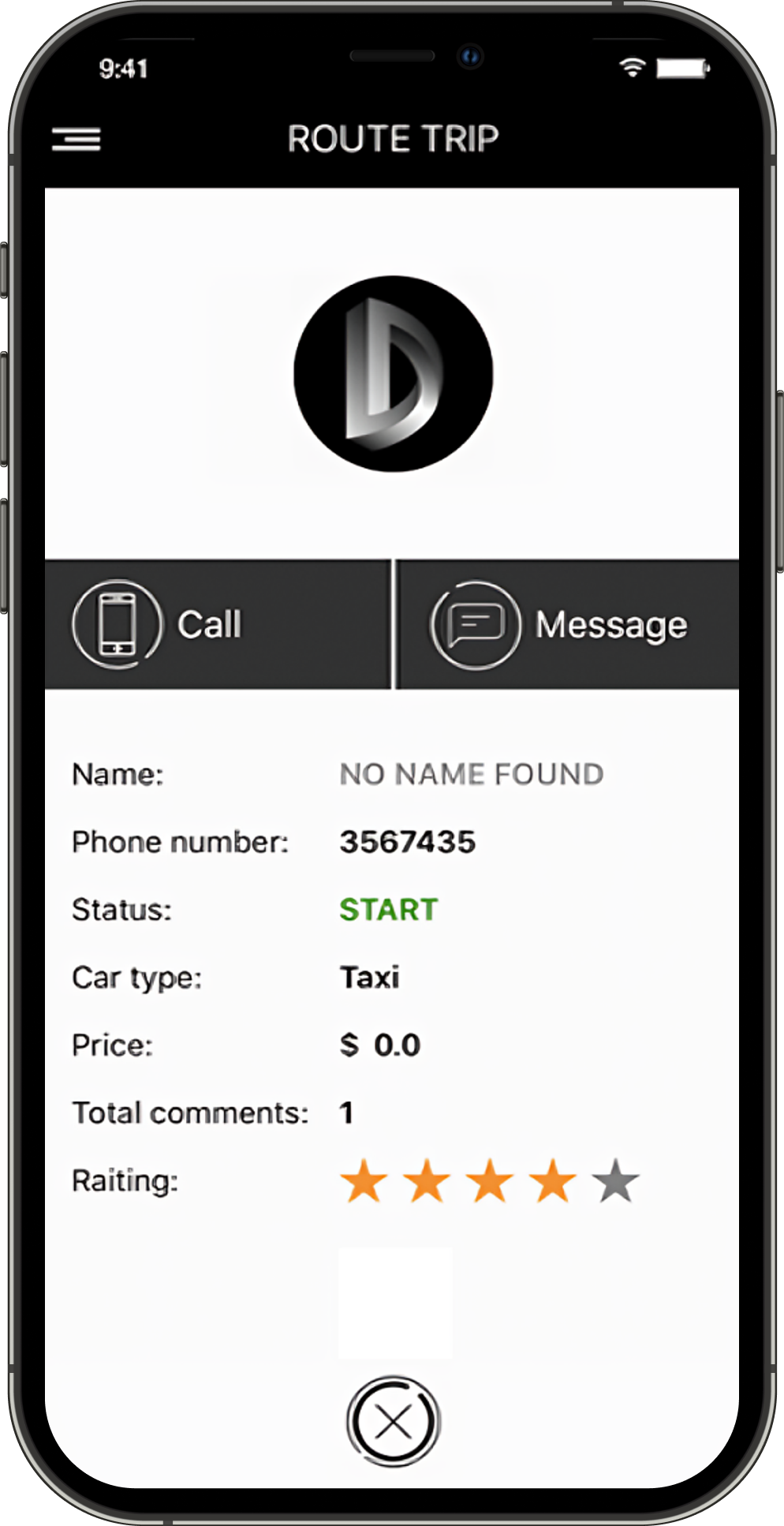
Active tripCall and message buttons sit on the trip screen, with the phone number and car type shown beside the trip.
Active tripAfter a trip, the passenger rates the driver. Drivers see the ratings and comments on their own profile.
Driver menu and rolesAfter booking, the passenger still has to find the pickup point and the driver has to find the passenger. When they call each other, both must be looking at the same trip.
Both roles open the same trip record: pickup and destination, the route, the car’s position, status and price. Its contact screen shows the other side’s name, phone number and car type, with call and message buttons.
See the trip and passenger-driver contactDescribe one booking that went wrong: the wrong driver, a pickup nobody could find. We will tell you which trip statuses and which assignment rule we would start with.
A passenger has booked a ride and wants to know where the car is, what the trip costs and how to reach the driver.
The map shows the car’s position on the booked route, with pickup and destination above it and the status and price below. The driver’s details and the call and message buttons are on the trip’s contact screen.
Drivers decide when they work and what they charge; passengers want to know who is driving them.
The driver menu holds route, profile, rating, status and price. Passengers rate the driver after the trip, and the rating shows on the contact screen.
At registration the user chooses passenger or driver. Returning users sign in with email and password, with password recovery.
Pickup and destination above the map, the route between them, the car’s position, and the trip status and price at the bottom. Trips are planned with an estimated cost and journey time, and routes can be saved.
The passenger calls or messages the driver from the trip screen, which also shows the name, phone number, status, car type, price, number of comments and rating.
Drivers change their status and their price in the menu. Assignment uses their location. Their profile keeps the ratings and comments from completed rides.
Passengers rate the driver after a ride. Drivers see their rating and comments in the app.
A Xamarin app, .NET services with Microsoft Orleans, MongoDB and MSSQL Server, on Azure.
Xamarin provides the mobile application framework.
Server side in C# on Microsoft .NET: ASP.NET Core with Microsoft Orleans.
Data in MongoDB and MSSQL Server, read and written through Entity Framework Core and Dapper.
Microsoft Azure and Azure DevOps support the product’s infrastructure and development workflow.
Built for one taxi service, the same two-sided trip fits other transport operators:
Taxi and ride services with their own drivers who set availability and price.
Courier and delivery services that assign a nearby driver to a request and let the customer track and contact them.
Shuttle, airport transfer and corporate transport operators that quote a price before the ride.
Dispatch operations where a request must reach the right driver and both sides need the same trip status.
A first release usually covers the booking with route and price, assignment to a driver and the trip status for both sides, connected to the dispatch or payment system you already use.
Tell us how a request reaches a driver today and what each side needs before pickup. We will plan booking, assignment and trip status from that.
Discuss a transport platform