
Understand the operation
We map the current process, responsible people, data and constraints to define the task the first release must complete.
We turn business workflows into usable software, from discovery and design to development, testing and launch. Your team sees progress and approves key decisions.
We build systems around the workflows that make your business distinctive: operational consoles, CRM and ERP platforms, customer portals, and connected services. We work through the business context and constraints before deciding what to build first.
We map the current process, responsible people, data and constraints to define the task the first release must complete.
We use prototypes to review the main user tasks, exceptions and permissions with the people who will use the product.
We develop the interface, business rules, data and integrations together, with tests covering complete user tasks.
We prepare release checks, documentation, staff training and the support arrangements needed for daily operation.
We transfer the records the product needs and connect the tools your teams retain. One-time migration and ongoing exchange have separate validation rules, including how to handle incomplete records or failed updates.
We define the decision each report supports, its source data, permissions and update frequency. Reports can be part of the product, use an existing BI tool or receive agreed data through a reporting integration.
A service business receives requests by email and partners complete the work. Here is how we can shape its first release around the customer and the team behind the service.
One record with the details needed to act.
A named owner and a queue for exceptions.
The customer sees the agreed status updates.
The first release covers requests, assignment, exceptions and customer status. Booking, payments and additional partner tools can follow if they are not needed to complete that task.
We test a normal request, reassignment, a missed handoff and restricted access. Each scenario has an expected result and a person responsible for accepting it.
We agree which history to transfer and tools to connect, then prepare staff for daily use. A named owner on your side reviews readiness and approves launch.
Explore a client collaboration portal, a laboratory testing platform and an engineering data application, with the workflows and interfaces behind each product.
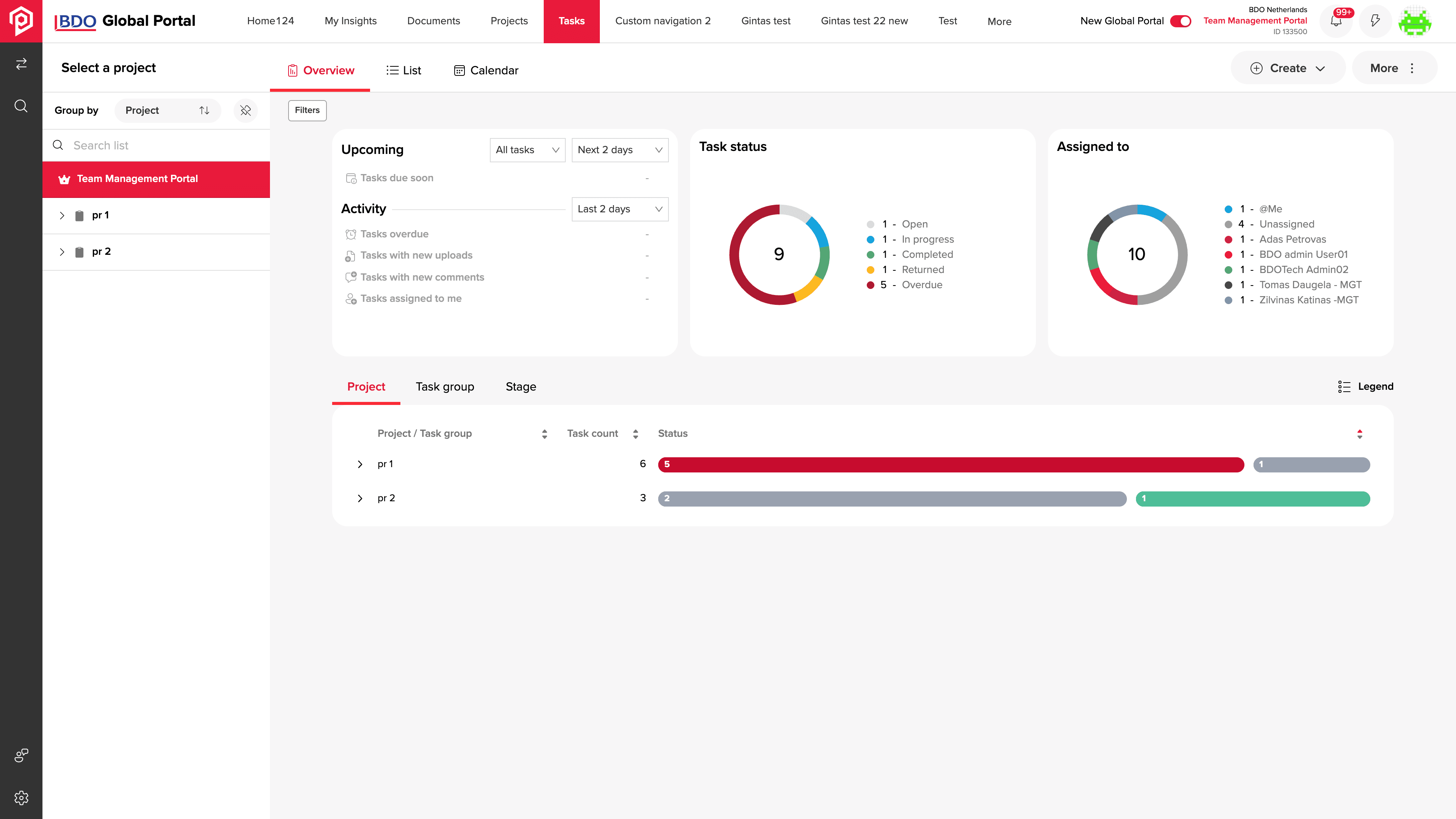
A client collaboration portal for BDO project teams. Documents, tasks, reviews and approvals share one workspace, with clear responsibilities, progress tracking and role-based access.
Explore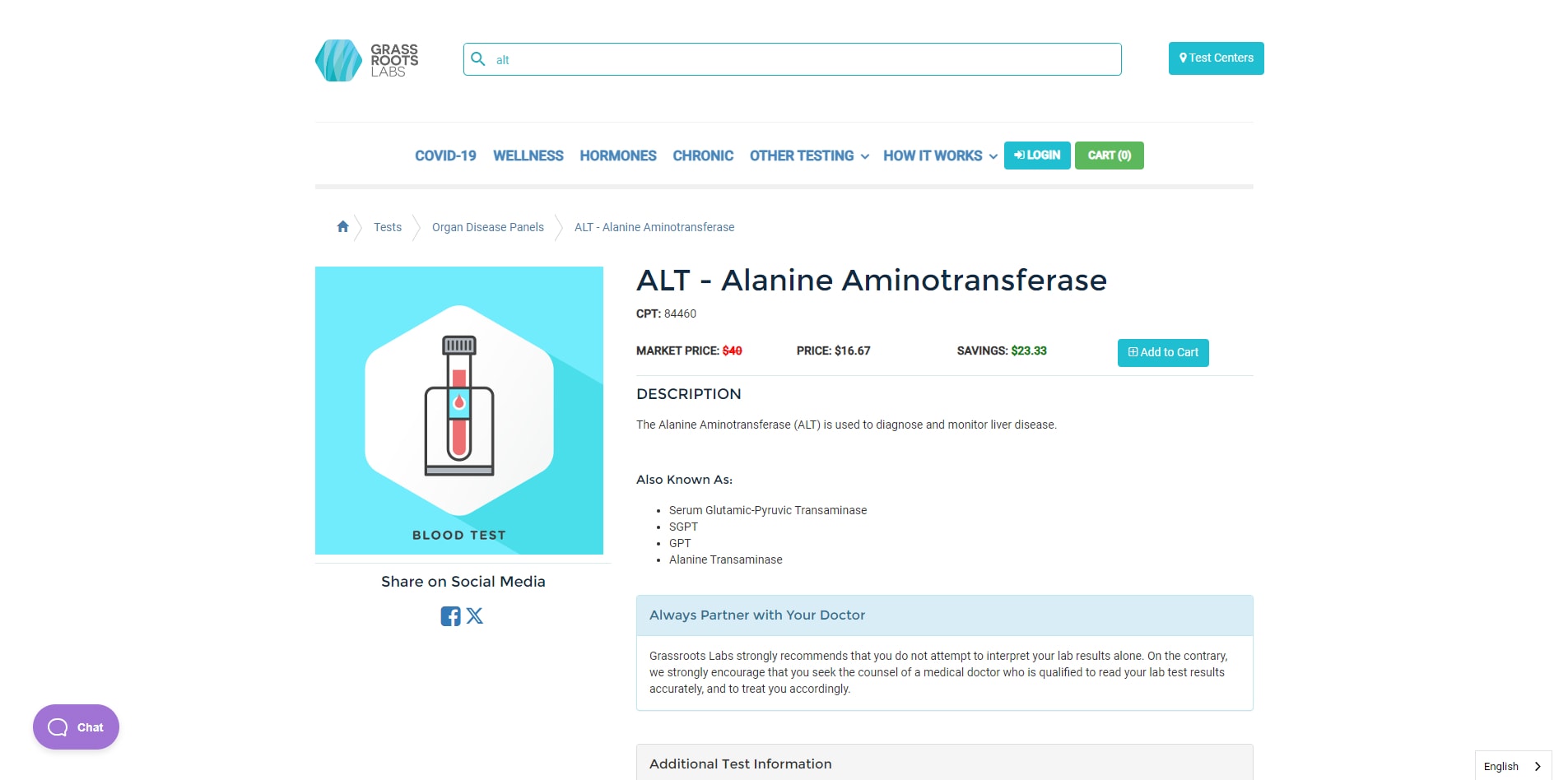
A laboratory-testing platform for finding tests, ordering online and accessing results through a customer account. The operations team manages orders, member programmes and laboratory data exchange. The system matches reports to orders, while staff review results that need additional checks.
Explore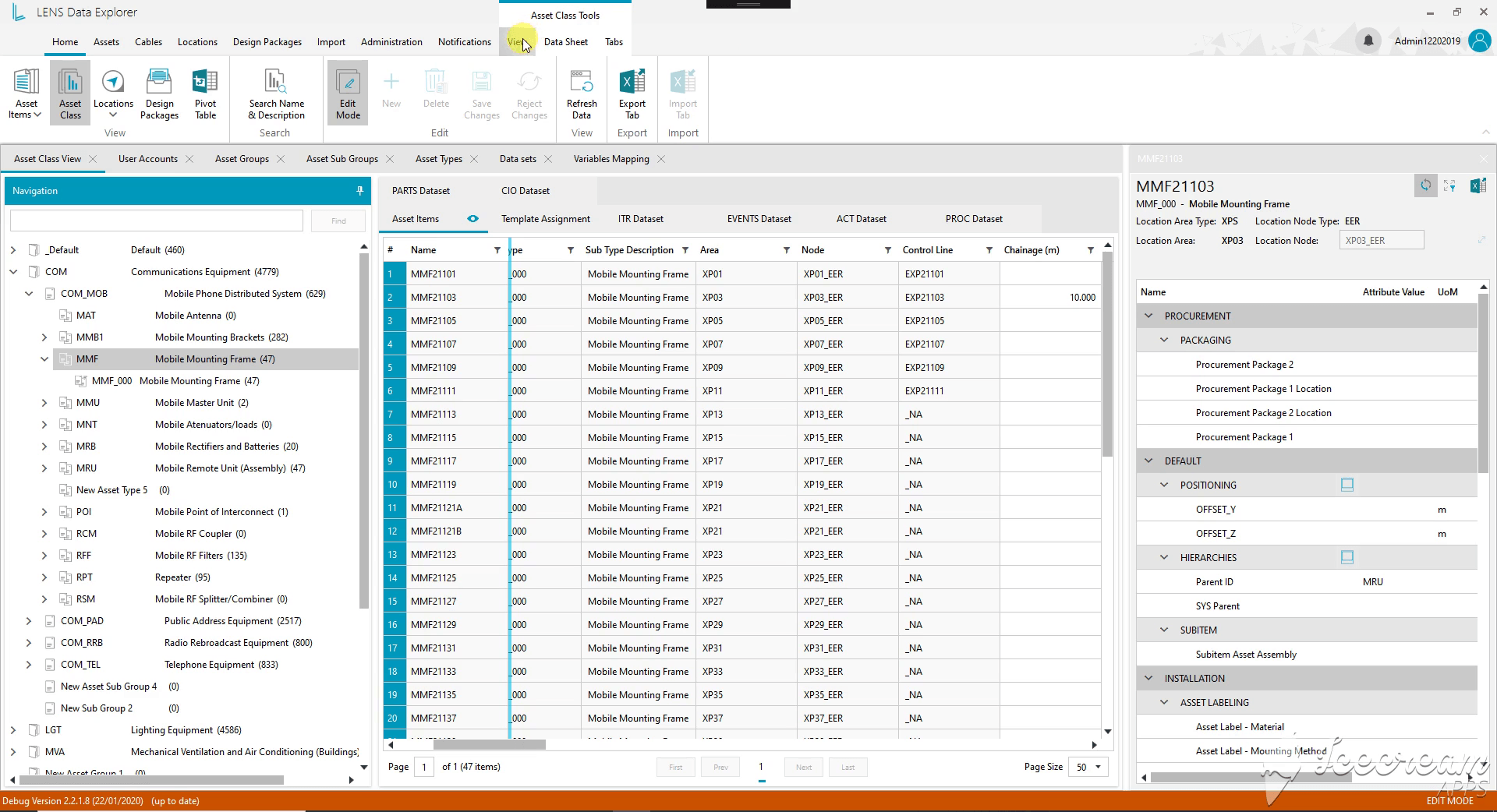
An engineering data platform for WestConnex New M4 Tunnels in Sydney. Asset hierarchies, equipment, cable networks, drawings and revision history share one working environment. Engineers locate components, inspect their connections and prepare reports from a common infrastructure model.
ExploreDescribe the business goal, current workflow, constraints, and examples that help define the first scope.
Project brief templateReview what each proposal includes and which assumptions can change the cost.
Choose which decisions reports support, where their data comes from, and how results will be checked.
Reporting definition templateA customer portal also needs the staff workflow behind it: reviewing requests, resolving exceptions and keeping users informed. Scope both sides of the first complete task, including permissions, integrations, testing and rollout. Identify features that can wait until the initial release is in use.
For a full custom software project. We estimate your agreed scope before work begins.
An hourly team for evolving work, or a fixed price for a clearly defined module.
Paid support, hosting and third-party services are scoped separately from development.
Bring the target users, current process, business goal and any fixed launch constraint. Our CEO normally leads the first discussion of possible approaches and what needs investigation before a detailed proposal.
Not to start. Bring the business problem, examples of daily work and the intended result. We turn that context into workflows, screen designs and a development scope, then explain the options and estimate the agreed approach.
We coordinate analysis, design, development, testing and rollout. You have a named contact, regular demonstrations and a list of decisions requiring your input. Your team provides business knowledge and accepts the results; we organise the technical work and explain delivery risks.
We estimate a defined first release and show the assumptions behind it. Hourly delivery suits changing priorities; a fixed-price module needs a clear, testable scope. Development, migration, hosting and support are separate proposal items, with budget changes agreed before additional work.
We plan a release that completes a useful task, including design, integrations, testing and rollout. External dependencies and review dates become explicit schedule assumptions. For a fixed deadline, we compare feasible scope options and review progress through demonstrations.
During discovery, before architecture and interface decisions. We identify sensitive data, roles, hosting needs and third-party access, then turn them into engineering and testing tasks. Release preparation assigns responsibility for updates, backups, monitoring and incidents.
Yes. We plan onboarding around the work each role needs to do, then prepare the agreed walkthroughs, instructions and administrator guidance. We help staff practise representative tasks before rollout and use their feedback to address confusing steps. Training and launch assistance are included explicitly in the delivery plan, so your team knows what help to expect.
Yes. We help arrange a support plan before release, with agreed coverage, a way to report issues and clear operating responsibilities. We can handle the agreed maintenance and help investigate problems, while reviewing user feedback with you for future improvements. Ongoing support and new features are priced separately, with the terms explained before the system enters daily use.
Share your processes, the systems you use today, and what you want to improve first. Our CEO normally leads the first discussion of possible approaches and what needs investigation before an estimate.
Europe, USA, Canada & Australia